




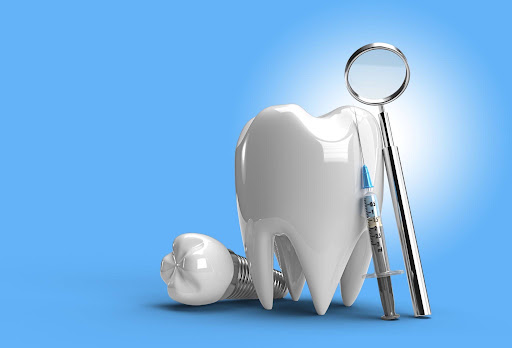
A single dental implant in Australia typically costs between $5,000 and $7,000 once the fixture, abutment and crown are all included, though quotes vary depending on bone quality, materials, and how many teeth you’re replacing. Medicare generally doesn’t cover implants for most adults, and private health insurance usually only covers part of the cost. This guide breaks down what actually drives the price, what should be in a proper quote, and how to plan for dental implants in Brighton with realistic numbers.
How Much Do Dental Implants Cost in Australia?
A single dental implant in Australia generally costs between $5,000 and $7,000 once the surgically placed titanium fixture, the connecting abutment, and the finished crown are all included. The implant component alone can range more widely, with the Australian Dental Association’s National Dental Fee Survey reporting fees for the surgical placement itself spanning roughly $2,600 to $7,300 depending on the practice.
That range exists because “a dental implant” isn’t one single line item. It’s usually a three-part system: the post that goes into your jawbone, the connector piece, and the visible crown on top. Some clinics quote just the surgical placement and list the crown separately. Others bundle everything into one number. Neither approach is wrong, but it means two quotes that look completely different on paper might actually reflect similar total costs once you add up every stage.
What Actually Affects the Price of a Dental Implant?
The price of a dental implant depends mainly on the condition of your jawbone, the materials used for the implant and crown, how many teeth need replacing, and whether any additional procedures like bone grafting are required. A straightforward case with healthy bones will always cost less than one that needs extra preparation.
Bone quality is usually the biggest swing factor. If you’ve been missing a tooth for a while, the jawbone underneath can shrink, and you may need a bone graft or sinus lift before an implant can be placed safely. Our All on 4 Plus page notes that procedures like these can be done in the same surgery in some cases, though they add to the overall cost.
Material choice matters too. Titanium implants are the standard, but crown materials range from porcelain to zirconia, and the price difference between them isn’t small. The dentist’s experience and the technology used, such as computer-guided placement for precision, also factor into what a clinic charges. None of these are corners worth cutting to save money, but it’s worth understanding why one quote sits higher than another rather than assuming higher automatically means better.
Single Implants vs Full-Arch Options
If you’re only missing one or two teeth, a single implant or a small bridge supported by implants is usually the more cost-effective route. Once you’re looking at replacing most or all of the teeth in an arch, the maths changes completely, and that’s where full-arch options like All on 4 Plus come in.
Rather than placing one implant per missing tooth, a full-arch treatment uses a small number of implants, often four, to support an entire fixed bridge. It costs significantly more upfront than a single implant, but it’s designed for cases where individual implants for every tooth would be both impractical and far more expensive overall. If your teeth have a poor long-term outlook rather than being missing entirely, implant-supported dentures are sometimes a middle-ground option worth discussing at your consultation.
What Should Be Included in a Proper Implant Quote?
A proper quote should clearly separate the consultation and imaging, the surgical placement of the implant, the abutment, the crown, and any additional procedures like bone grafting, with a cost against each. If a quote is just one lump figure with no breakdown, ask for the itemised version before comparing it to anywhere else.
This matters because the cheapest headline number doesn’t always stay the cheapest once every stage is added up. A clinic that quotes low on the implant placement but charges separately, and more, for the crown and follow-up visits might end up costing more overall than a clinic that quoted a realistic bundled price from the start. Getting everything itemised upfront is the only way to compare quotes fairly.
Understanding the Risks and a Realistic Timeline
Dental implants involve surgery, and like any surgical procedure, they carry real risks, including infection, implant failure, and in some cases the need for additional grafting if the bone doesn’t integrate as expected. These risks are uncommon but genuine, and outcomes vary between patients depending on individual healing and oral health.
Treatment also isn’t a single appointment. From the initial consultation through to the final crown, the process typically spans three to six months across several visits, allowing time for the implant to properly fuse with the jawbone before the crown is placed. You can read more about how the implant process works in detail, including what each stage involves.
Planning Your Next Step
Dental implants are a genuine long-term option for replacing missing teeth, but the right price for your case depends on your bone health, how many teeth you’re replacing, and the materials involved. There’s no single number that applies to everyone, which is exactly why a personalised consultation matters more than a website estimate.
If you’re considering dental implants in Brighton, book a consultation with our team. We’ll assess your case properly, walk you through your options and the realistic costs involved, and answer any questions honestly before you commit to anything.
Frequently Asked Questions
How much does a single dental implant cost in Brighton?
A single dental implant in Australia typically costs between $5,000 and $7,000 once the fixture, abutment, and crown are included, though your exact price depends on bone health and materials used. A personalised quote after consultation is the only way to get an accurate figure for your case.
Does Medicare cover dental implants?
For most adults, no. Medicare’s dental support is limited, mainly through the Child Dental Benefits Schedule for eligible children, which doesn’t cover implants, with narrow exceptions for Veteran’s Gold or White Card holders.
How long does dental implant treatment take?
Most implant treatment takes three to six months from consultation to the final crown, spread across several appointments to allow proper healing and integration with the jawbone. More complex cases involving bone grafting can take longer.
Are dental implants a permanent solution?
Dental implants are designed to be a long-term solution and can last many years with good care, but no dental treatment is guaranteed to last forever. Outcomes vary between patients, and regular check-ups help catch any issues early.