




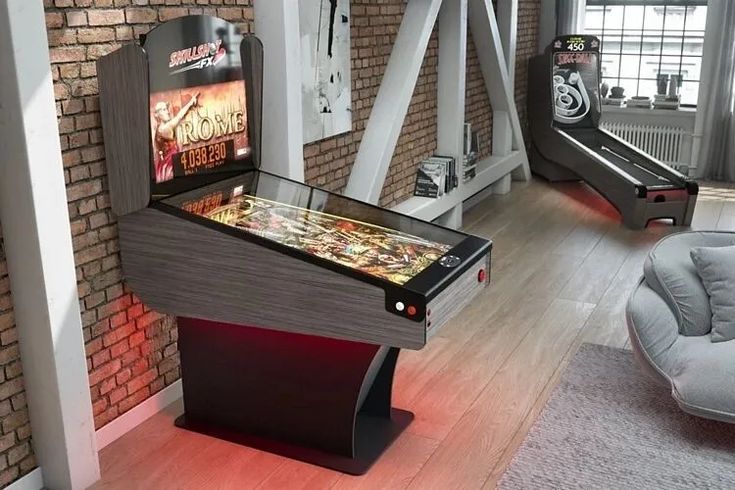
Home game rooms have made a strong comeback in the past few years, with more homeowners carving out dedicated space for arcade-style fun. Pool tables, shuffleboards, and dart cabinets are popular picks, but few additions deliver the same instant nostalgia and excitement as a real silver-ball cabinet. Flashing lights, satisfying flipper action, and the unmistakable clatter of bumpers and ramps can turn any basement, bonus room, or finished garage into a personal arcade. Before you start shopping at local game-room retailers, big-box stores, or specialty showrooms, it helps to understand what actually goes into a great cabinet and how to spot quality at a glance.
If you are considering adding a pinball machine to your home, the features below can make the difference between a unit that delights for years and one that quickly gathers dust. Pinball is a long-term purchase, so the smart move is to compare brands, themes, and builds in person whenever possible.
Cabinet Build and Overall Quality
The cabinet is the foundation of any pinball machine game. Look for solid wood construction, reinforced corners, and durable, scratch-resistant artwork. Premium models from manufacturers like Stern Pinball, American Pinball, and Chicago Gaming often use thicker side panels and powder-coated hardware that hold up to decades of play. Wobbly legs or thin cabinet walls are a red flag, especially if multiple players will share the machine.
Playfield Layout and Mechanical Features
The playfield is where the real magic happens. Multiple flippers, ramps, magnets, drop targets, spinners, and mini-playfields all add depth and replay value. More toys and modes generally mean more longevity, since each session can feel a little different. Newer machines often include interactive sculptures and motorized targets that react to gameplay, which keeps things fresh long after you have learned the rules.
Display, Scoring, and Software
Older units rely on dot-matrix displays, but most modern pinball machines feature full-color LCD screens with animations, video clips, and licensed footage tied to the theme. Software is just as important as hardware. Many top-tier brands push regular code updates that add new modes, balance scoring, and fix bugs, so a machine you buy today can keep evolving for years.
Sound, Lighting, and Theme
Custom soundtracks, voice acting, and reactive RGB lighting make a huge difference in how immersive a machine feels. Licensed themes ranging from rock bands to blockbuster movie franchises help match the cabinet to your personal taste. Several retailers, including Greater Southern Home Recreation and other regional game-room dealers, carry a rotating lineup of themed titles, so it is worth visiting more than one showroom before committing.
Size, Weight, and Space Requirements
A standard machine is roughly 27 inches wide, 55 inches deep, and 75 inches tall, and most weigh between 250 and 320 pounds. Measure your doorways, stairs, and final placement spot before you buy. Leave room behind and beside the unit for service access and comfortable player movement, and confirm that your floor can handle the load if you are placing it on an upper level.
Budget, Resale, and Long-Term Value
Entry-level home models start in the low four figures, while premium and limited editions can run much higher. Established titles from well-known manufacturers tend to hold resale value better than off-brand units, which matters if you plan to upgrade or trade later. Whether you shop at a national pinball specialist, a local game-room store such as Greater Southern Home Recreation, or the used market, focus on build quality and code support rather than the lowest sticker price.
Try Before You Buy
Pinball is a tactile hobby. Two machines with similar specs can feel completely different once you start flipping. Visit a few arcade and game-room showrooms in your area, play several titles, and see which themes and layouts you keep coming back to. Bring the whole family if you can, since the people who will play most often should have a say in the final pick.
Pinball Machine FAQs: What Home Buyers Ask Most Before Bringing One Home
How much space do I really need for a pinball machine at home?
Plan for at least a 3-foot by 6-foot footprint, plus standing room in front and a few feet of clearance behind for service access. Ceiling height should comfortably accommodate a 75-inch tall cabinet, and you will want a nearby outlet on a stable circuit.
Are new pinball machines better than used ones?
Not always. New machines come with warranties, updated code, and modern LCD displays, but well-maintained used machines can offer great value, especially if you are after a classic title. Inspect the playfield, electronics, and service history before buying used.
How often does a pinball machine need maintenance?
Light maintenance, such as cleaning the playfield, waxing, and checking rubber rings, should be done every few months for regular players. Bulb and switch replacements are occasional. Most owners can handle routine care at home with basic tools and a little patience.