




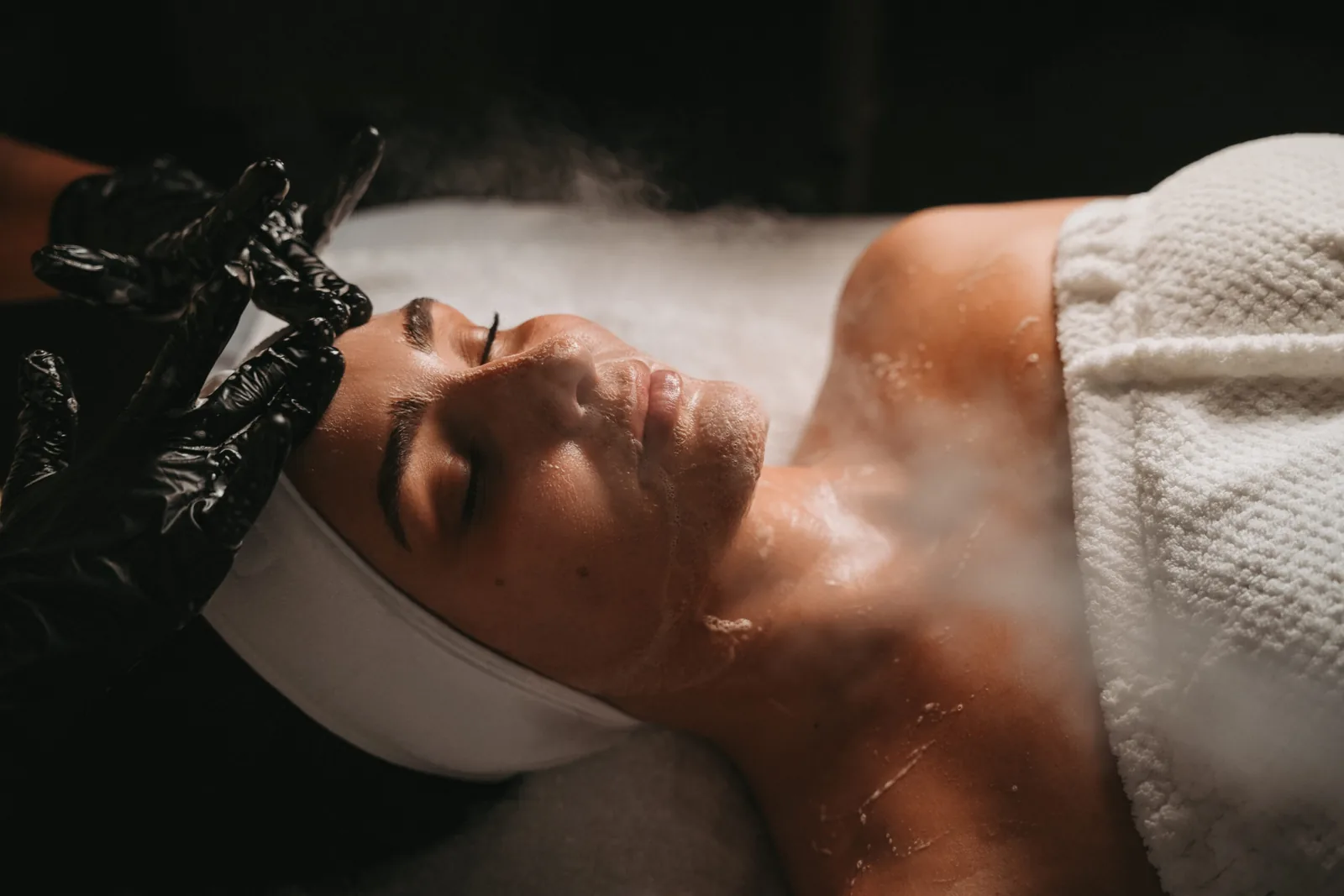
Maintaining firm, lifted facial contours historically required undergoing invasive surgical procedures with substantial recovery times, surgical risks, and permanent structural modifications. In recent years, however, advancements in non-invasive esthetic science have reshaped how individuals manage facial aging, tissue laxity, and skin volume loss. Residents across Winston-Salem seeking to rejuvenate their appearance now turn to sophisticated non-surgical alternatives that restore structural support beneath the skin without incisions or downtime. By leveraging target energy modalities, deep dermal collagen induction, and specialized transdermal nutrient infusion, modern clinical esthetics offers natural-looking lifting and tightening. Understanding the physiological mechanisms of facial aging, how non-surgical lifting technologies function, and how to structure an effective maintenance plan enables individuals to achieve refreshed, resilient facial contours safely and effectively.
The Physiology of Facial Aging and Tissue Laxity
Facial aging involves a complex interplay of changes occurring across multiple anatomical layers, including the skin, subcutaneous fat pads, muscle structures, and bone foundation. Understanding these changes highlights why superficial skincare alone cannot prevent tissue sagging.
As the body ages, several key structural shifts occur naturally:
- Collagen and Elastin Depletion: Starting in early adulthood, natural collagen synthesis decreases by approximately one percent per year. The extracellular matrix within the dermis loses density, reducing structural elasticity and firm support.
- Subcutaneous Fat Migration: Facial fat pads that provide youthful volume gradually atrophy and shift downward under the influence of gravity, contributing to deep nasolabial folds, hollow cheeks, and jowl formation.
- Structural Matrix Weakening: The connective tissue framework, including the superficial muscular aponeurotic system (SMAS) layer, loses tension, causing overlying facial skin to sag.
- Repetitive Muscle Movements: Facial expressions, combined with environmental photoaging from ultraviolet exposure, create persistent lines and surface creasing that deepen as dermal elasticity wanes.
Addressing these deep-layer changes requires clinical modalities capable of reaching beyond the surface stratum corneum to contract existing connective fibers and stimulate fresh structural protein synthesis.
Core Modalities for Non-Surgical Facial Lifting
Modern non-invasive facial rejuvenation relies on energy delivery systems and mechanical micro-stimulation designed to stimulate tissue repair mechanisms deep within the dermal layers.
Radiofrequency (RF) Thermal Tightening
Radiofrequency energy is a primary technology in non-surgical tissue tightening. RF devices deliver controlled high-frequency electrical currents into the mid-to-deep dermis and subdermal tissue. The resulting resistance generates controlled thermal energy, raising deep tissue temperatures to precise therapeutic levels.
This thermal stimulation triggers two distinct physiological benefits:
- Immediate Collagen Contraction: Existing triple-helix collagen fibers contract immediately when heated, creating a subtle, immediate tightening effect across the treated facial contours.
- Long-Term Fibroblast Activation: Heat-induced micro-coagulation zones activate fibroblasts to initiate a wound-healing cascade, resulting in sustained synthesis of fresh Type I and Type III collagen over subsequent months.
Because radiofrequency energy bypasses epidermal melanin, it is exceptionally safe for all skin phototypes and carries minimal risk of post-treatment hyperpigmentation.
Combination RF Microneedling
For complexions experiencing both structural laxity and surface textural irregularities, combining mechanical micro-channeling with radiofrequency thermal energy provides enhanced structural rejuvenation. Ultra-fine sterile needles penetrate into targeted dermal depths before releasing thermal energy. This delivers heat directly into the supportive matrix while physically breaking up rigid fibrous tissue, effectively smoothing fine lines, minimizing enlarged pores, and tightening loose tissue around the cheeks, jawline, and neck.
Transdermal Micro-Infusion and LED Phototherapy
Lifting deep tissue structures works best when supported by a healthy, hydrated epidermal layer. Transdermal micro-infusion utilizes microscopic tip arrays to open temporary pathways in the upper epidermis, allowing low-molecular-weight peptides, antioxidants, and hyaluronic acid to absorb directly into active skin layers. When paired with red or near-infrared LED light therapy to boost mitochondrial energy production, newly tightened tissue remains radiant, supple, and fully hydrated.
| Treatment Modality | Target Layer | Primary Biological Mechanism | Primary Structural Outcome | Typical Recovery Window |
| Radiofrequency Tightening | Mid-to-Deep Dermis | Dermal thermal heating and collagen fiber contraction | Firming jawline laxity and smoothing contour lines | Minimal to zero downtime |
| RF Microneedling | Mid-Dermis to Subdermal Matrix | Combined mechanical micro-injury and direct thermal energy | Tightening loose tissue, smoothing texture, and scar remodeling | 24 to 72 hours of mild redness |
| Transdermal Nano-Infusion | Upper Epidermis | Micro-channel formation for high-potency nutrient absorption | Plumping fine surface lines and deep cellular hydration | Zero downtime |
| Hydro-Exfoliation | Stratum Corneum | Fluid vortex extraction and active antioxidant infusion | Pore clearance, surface clarification, and smoothing | Zero downtime |
Advantages of Non-Invasive Facial Rejuvenation
Choosing non-surgical protocols over traditional surgical intervention offers numerous practical and physical benefits for individuals maintaining an active lifestyle.
Natural-Looking Contour Restoration
Surgical procedures physically excise skin tissue and pull facial structures tight, which can sometimes alter natural facial expressions if overcorrected. Non-surgical modalities rely on your body’s natural collagen synthesis pathways. As fresh structural proteins gradually organize over three to six months, improvements develop smoothly, maintaining natural facial movement and subtle expression.
Minimal Risk and Zero Surgical Downtime
Traditional surgery requires general anesthesia, surgical incisions, and weeks of recovery involving bruising and swelling. In contrast, non-invasive lifting procedures are performed comfortably using topical numbing creams or simple cooling mechanisms. Patients typically return to work, social engagements, and daily activities immediately following their appointment.
Customizable Progressive Treatment Plans
Skin laxity levels vary across different facial zones. Non-surgical systems allow esthetic specialists to adjust energy settings, penetration depths, and treatment combinations dynamically. Receiving a customized non-surgical face lift protocol allows individuals in Winston-Salem to address specific areas of concern, such as sagging jowls, nasolabial lines, or brow laxity, through a structured series of progressive visits.
Structuring a Long-Term Treatment and Maintenance Schedule
Achieving lasting facial lifting requires consistency, as collagen synthesis and cellular turnover operate on multi-week biological cycles.
A complete non-surgical lifting strategy generally follows three key phases:
- Initial Assessment and Clarification: Evaluating skin thickness, moisture levels, and underlying laxity establishes baseline skin health. A initial deep-cleansing hydro-exfoliation or detox therapy clears surface impurities, ensuring optimal energy delivery during subsequent tightening sessions.
- The Corrective Series: Patients typically undergo a structured series of three to six thermal tightening or RF microneedling sessions spaced four to six weeks apart. This phase creates compound collagen stimulation within deep dermal layers.
- Ongoing Maintenance: Because natural aging continues, scheduling single maintenance appointments every three to six months sustains new collagen growth and prevents further structural laxity.
Supporting Clinical Results with Daily Homecare
While clinical energy devices handle deep dermal tissue tightening, daily home care preserves barrier health and protects newly synthesized collagen from environmental degradation.
Essential homecare guidelines include:
- Broad-Spectrum Sun Protection: Ultraviolet radiation generates free radicals that break down structural proteins. Applying a broad-spectrum mineral or chemical sunscreen with SPF 30 or higher every morning is essential for preserving elasticity.
- Barrier-Strengthening Topicals: Incorporate daily serums and moisturizers formulated with ceramides, niacinamide, and signal peptides to lock in deep hydration and reinforce the protective lipid layer.
- Antioxidant Shielding: Apply stable antioxidant formulations, such as Vitamin C or resveratrol, beneath sunscreen every morning to neutralize urban pollution and oxidative stress.
- Avoid Immediate High Heat: For 48 hours following an energy-based tightening session, avoid hot tubs, saunas, and strenuous exercise to let the skin settle without excessive inflammation.
A Safe Path to Firm, Youthful Facial Contours
Restoring firm, lifted facial contours no longer requires invasive surgery or prolonged recovery periods. By leveraging non-invasive technologies like radiofrequency thermal energy, collagen induction therapy, transdermal nutrient infusion, and supportive light therapies, individuals can effectively counteract natural facial aging and tissue laxity. Paired with personalized clinical oversight, daily sun protection, and consistent maintenance care, non-surgical lifting offers a reliable, science-backed approach to achieving smooth, firm, and radiant skin across every stage of life.

