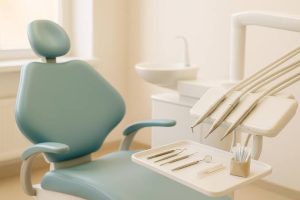





Dental bills rarely feel clear at first glance. The total reflects clinical complexity, materials, the dentist doing the work and the clinic’s running costs.
Why dentists don’t charge the same fee
Dentists in Australia set their own fees. No fixed national price list applies to every clinic, so quotes can differ for what sounds like the same treatment.
Comparison is possible because almost every procedure uses a standardized ADA item number. An exam might be 011 or 012, a scale-and-clean 114, and a filling a separate restorative code. Item numbers let patients compare like with like without setting prices.
A written quote is more useful than a verbal estimate. If one clinic quotes item 114 plus two filling codes and another gives a bundled figure, comparison requires the codes on paper.
Codes don’t set prices.
The Australian Dental Association tracks national fees through surveys, and ADA WA publishes material reflecting state patterns. These benchmarks help patients see whether a quote sits near the middle or higher end for that code. Asking for written codes and fees often clears up confusion that phone price shopping leaves unresolved.
Understanding this system can reduce pressure. The useful question becomes “what item numbers are in my plan and what is the fee for each,” rather than simply “what does a crown cost?”
How complexity changes the price of the same treatment name
Fillings vary considerably. A small one-surface filling on a front tooth takes less time and material than a large multi-surface filling on a load-bearing molar. Fees reflect chair time, access, and how much tooth needs rebuilding.
Root canal treatment follows the same pattern. A straight front tooth with one canal is often faster to treat than a molar with curved canals. Molars therefore tend to cost more, with retreatment after an earlier failure costing more again.
Costs also extend beyond individual procedures. A tooth treated with root canal therapy often needs a crown afterward for strength. The root canal fee alone is incomplete. The total includes root canal treatment, core buildup and crown across separate visits.
Prosthodontic work also involves staged billing. Crowns and dentures require clinical steps and laboratory fabrication. Implants commonly have separate fees for surgical placement and the prosthetic crown. Wisdom tooth removal may involve sedation and post-operative review. Each phase needs its own fee in the plan.
Patients can get caught out by approving the first step without seeing the sequence. A clear plan shows every stage upfront, not one appointment at a time.
Why materials and lab work move the bill
Material choice affects fees. Amalgam and tooth-colored composite have different costs and handling requirements. Composite needs layered placement and shade matching, while ceramic and zirconia involve higher material costs and different laboratory processes.
Crown materials vary further. Porcelain fused to metal, full ceramic, zirconia and gold involve different costs and lab time. An outside technician makes the crown or bridge to fit that mouth, so the lab fee remains part of the patient’s bill.
Patients don’t need to master materials science. They need to understand the planned material and the reason for choosing it.
There are trade-offs. A standard material may suit a hidden back tooth, while a front tooth may need more lifelike ceramic for color matching. Molars also need strength under heavy loads. A dentist can explain suitability and expected lifespan with normal care, alongside the price difference.
A listed lab component helps explain the quote. It usually isn’t negotiable, but seeing it can prevent surprise because it often accounts for a large share of crown costs.
Quality includes more than appearance. Margin fit, bite contact and polish affect comfort and cleaning. Those details take time.
How to get a clear quote you can compare
A clear quote lists each treatment step, its ADA code and fee, and the visit order. It also identifies exclusions, such as reviews or a night guard suggested later.
A written plan is useful before agreeing to treatment beyond an exam and clean. Planning-focused clinics generally provide one readily. Discussions with dentists in Mandurah or any local clinic benefit from recent X-rays and a list of concerns, helping the clinic explain likely costs.
A simple checklist covers the essentials.
First, request written item numbers. Second, request each fee. Third, ask about sequence and timing, since staged work can cross calendar years and affect insurance limits. Fourth, ask for estimated private-cover or family-benefit rebates and any preventive no-gap arrangements.
Payment terms belong in the same document. Clinics may require deposits before lab work or split payments across stages; others offer third-party arrangements with set terms. These structures aren’t inherently wrong, but budgeting requires clear dates and amounts.
Warning signs include vague verbal estimates, pressure to begin drilling immediately for extensive treatment, or requests for approval without an itemized plan. Second opinions are normal for costly plans such as implants or full-mouth rehabilitation. A careful clinic won’t take offense.
How place, timing and the dentist affect cost
Western Australian clinics price care around their operating costs. Rent, wages, equipment servicing and sterilization costs differ between Perth metro, a coastal center like Mandurah and small country towns. Larger teams offering extended hours also carry higher overhead than small practices with limited sessions.
Regional variation is normal. It doesn’t mean coastal or rural care is lesser; the same item number can have a different fee because underlying costs differ.
The treating dentist matters too. General dentists often charge less for molar root canals than endodontists handling complex cases full time. Specialist referral can protect outcomes with curved or calcified canals and help avoid costly repeat treatment. Oral surgery follows a similar pattern where impaction or nearby nerves increase risk.
Sedation has separate costs. Oral and IV sedation can help highly anxious patients manage longer sessions, but require additional monitoring, drugs, equipment and trained staff. These charges sit alongside dental fees.
Timing can add a premium. Evening, weekend and public holiday appointments often cost more than normal-hours care. Emergency slots disrupt bookings and may require staff to stay late or come in. Planned recall care can reduce exposure to those premiums.
What insurance and family benefits actually pay
Private extras cover rarely pays everything. Most policies refund a set percentage for general dental items, leaving the patient to pay the rest. That out-of-pocket gap is the amount to budget for, not the headline quote.
Annual limits also matter. Policies may have separate yearly caps for general dental and major work such as crowns and implants. Once a cap is reached, further treatment that calendar year receives no rebate. Treatment across two benefit years can sometimes reduce gaps where clinical timing permits and stages match the codes.
Some clinics have no-gap agreements with certain funds for preventive items, including exams and scale-and-cleans, up to a set level. These don’t cover every treatment or fund. The relevant fund, eligible items and conditions need to be clear.
The Child Dental Benefits Schedule helps cover specified basic services for eligible children over a defined benefit period. Services Australia can confirm current eligibility, allowance and remaining balance. Program rules cover exams, cleans, X-rays, fissure sealing, fillings and extractions, but exclude orthodontics and cosmetic work. Eligibility and remaining balance affect coverage before treatment begins.
A pre-treatment estimate makes costs clearer. Many clinics can submit item numbers to the fund and provide a written rebate estimate within days. That document turns a guess into a budget.
A verbal rebate guess offers little certainty for major work. Codes affect rebates, and one missing digit can substantially change the estimate.
Why delay turns small problems into large bills
Prevention costs less than some repairs. A small cavity found at recall can often be filled directly in one visit; left untreated, it can reach the nerve and need root canal treatment plus a crown. Early gum inflammation can often be stabilized through cleaning and home-care coaching, while advanced bone loss can cause tooth loss requiring a bridge or implant.
Cost concerns can make people put off appointments. Sharing those concerns lets the dental team explain priorities, discuss clinically suitable alternatives and provide a clearer estimate before treatment begins.
Recall visits help interrupt that cycle. Exams and scale-and-cleans allow dentists to spot cracks, wear, early decay and gum changes while repairs remain small. Appropriately timed X-rays can reveal decay hidden between teeth, while individual brushing and interdental-cleaning advice can reduce recurring decay.
Emergency care shows the other side. Weekend toothache care costs more than treating the same tooth at a planned weekday appointment. Pain also forces quick decisions, which are rarely cheapest. Regular attendance cannot prevent every emergency, but can reduce the odds.
Recall care can be cost control. It isn’t an upsell when the clinic can explain the findings, current treatment costs and likely costs later.
Dental costs become easier to understand when their parts are visible. Codes support comparison, while complexity, materials and laboratory work explain price differences. Written plans turn estimates into budgets and help patients have calmer visits with fewer surprises, because costs are discussed before treatment starts.